Energy performance designed for real duty
In laser manufacturing, the energy profile isn’t steady: duty cycles alternate between piercing, continuous cutting and idle. Realworld efficiency therefore depends less on a single fullload metric and more on seasonal conditions, partload behavior, thermal inertia of the hydraulic loop, and control strategy (how quickly and accurately the chiller responds to step changes). Systems that stabilize outlet temperature without long recovery periods avoid wasted compressor run time and reduce rework.
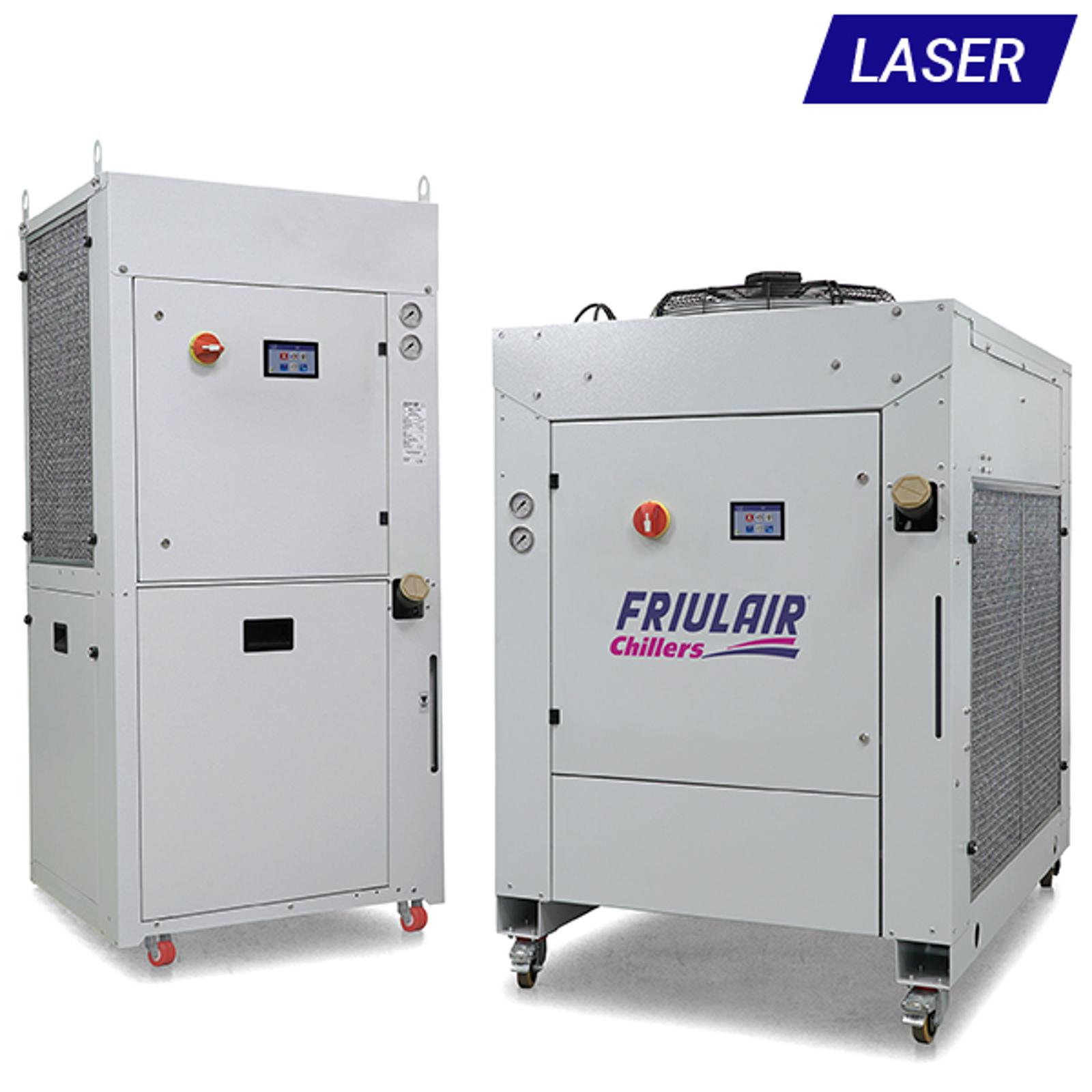
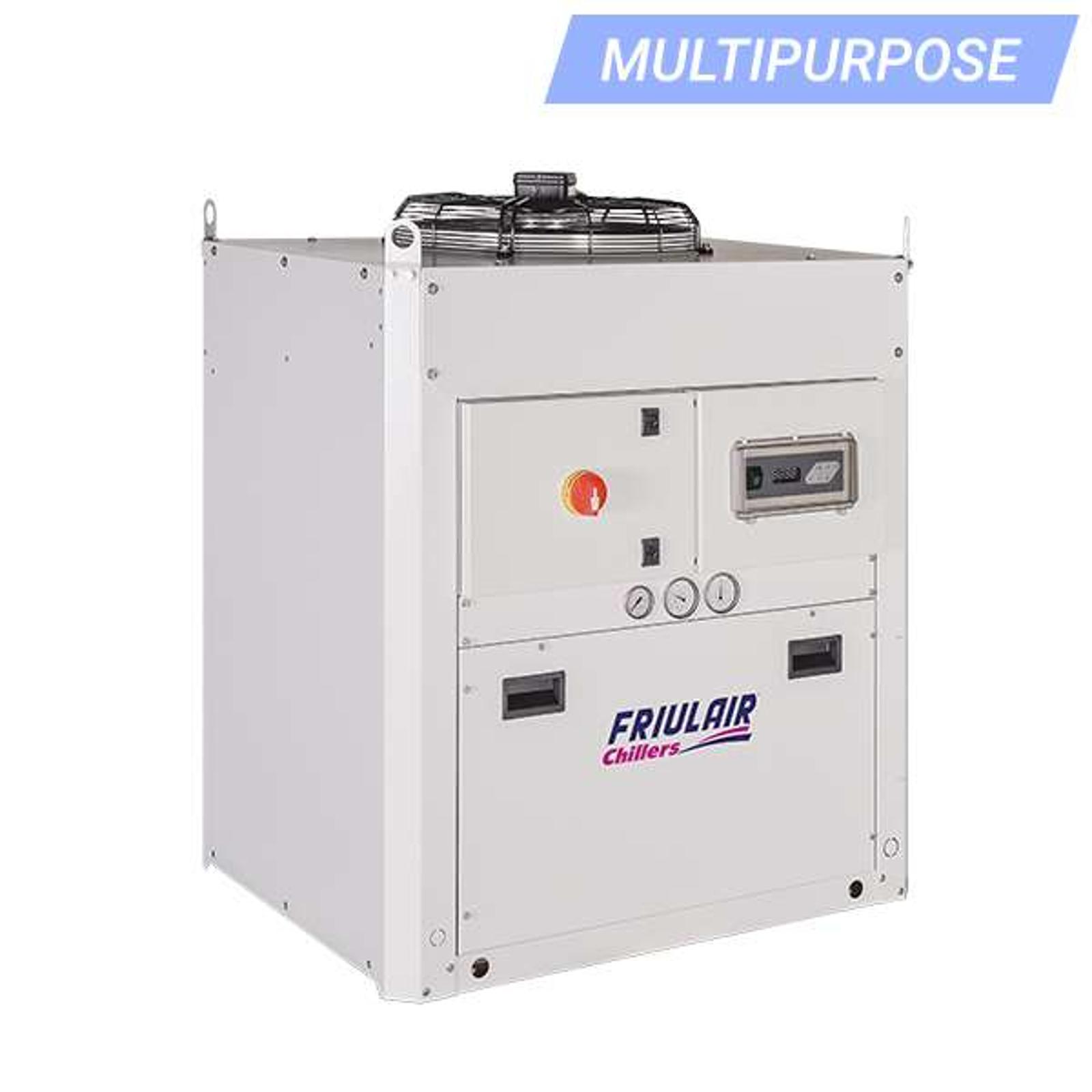
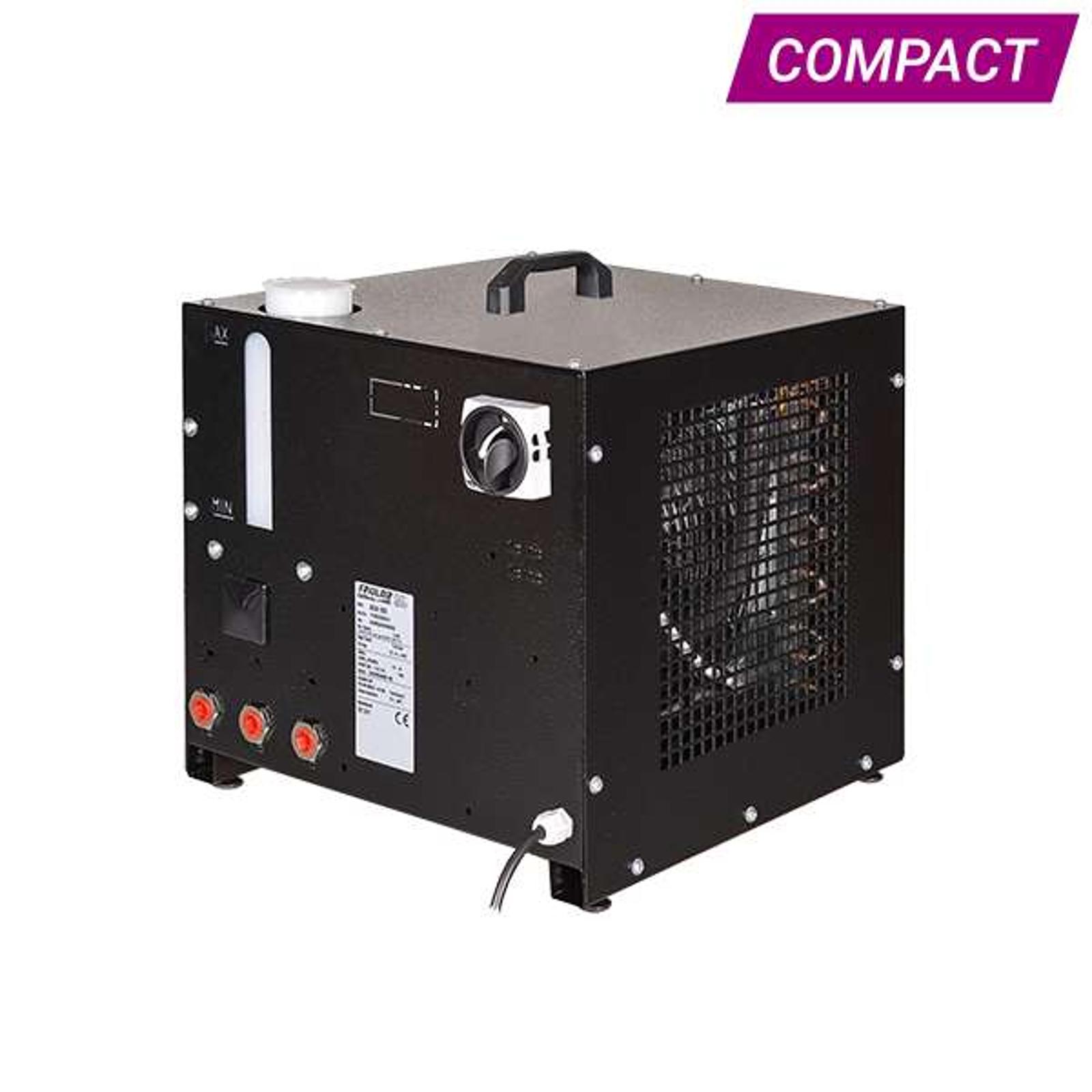
The QBE TOTEM architecture is tuned for load variability in dualsetpoint laser cells, while FQBE and ACW_QBS cover singleloop and benchtop loads where quick stabilization and small footprints matter most.
Sustainability & refrigerants
Refrigerant choice affects safety, indoor installability, environmental impact (GWP), and longterm compliance. For indoor installations, many buyers prioritize lowGWP, nonflammable options; across the fleet, end users should evaluate refrigerant availability, serviceability and corporate sustainability targets in tandem with performance.
For singleloop laser loads that sit indoors, FQBE uses R513A (lowGWP, nonflammable). QBE TOTEM is supplied with refrigerants specified for that family and aligned to current safety/performance requirements; final selection should be confirmed at specification time based on site policy and risk assessment.
Partload control: cutting kWh per part
Most of a line’s energy spend accumulates between peaks: overshoot/undershoot, long warmup, and unnecessary compressor cycling inflate kWh/part. The levers that matter are: tight setpoint control, fast recovery, smart fan/compressor logic, and hydraulic decoupling so one load change doesn’t disturb another.
With QBE TOTEM, independent source and optics loops reduce crossinterference; tighter control shortens thermal recovery and helps reach steadystate faster. FQBE and ACW_QBS provide stable control for smaller singleloop lasers where rightsizing and quick response keep energy per part in check.
Service access, spares and lifecycle support
TCO is driven as much by maintainability as by energy. Clear access to pumps, filters and boards, simple hydraulic routing, readable alarms and standard parts shorten MTTR, improve PM adherence and prevent small issues from becoming costly stops—especially in multishift shops.
The compact layouts used across ACW_QBS, FQBE and QBE TOTEM emphasize straightforward access and identifiable components, helping technicians execute routine service quickly in laser cells where every minute counts.
Reliability by design & remote monitoring
For 24/7 laser operations, reliability = design + visibility. Robust core components (compressors, evaporators, fans), proven control electronics, and remote diagnostics (trends, alarms, networked access) enable proactive maintenance and reduce unplanned downtime. Integration with PLC/SCADA standardizes alarms and speeds escalation.
QBE TOTEM provides dualloop control with builtin alarms, Modbus (RS485) and integrated Ethernet web server for remote checks. FQBE and ACW_QBS bring the same industrial philosophy to singleloop and benchtop contexts where simple, dependable supervision is essential.